
At the beginning of 2018, the Occitanie region launched a project aimed at carrying out an exhaustive census of the populations of large mother-of-pearl (Pinna nobilis), along its coastline and particularly in ports connected to lagoons (Port de Sète, Port Leucate). The objectives of this project were to identify the spatial distribution of populations on the Occitan coast, to assess their status, to characterize these populations and finally to estimate the factors influencing the recruitment and survival of individuals. Based on surveys carried out among the various users and managers of the coastline (port managers, fishermen/oyster farmers, marine protected areas, divers/kite-surfers), many dives were to be carried out in the areas indicated. The objectives of these dives were to determine the densities and abundances by site and to carry out biometric measurements in order to estimate the maturity of the individuals. Finally, tissue samples had to be taken to carry out genetic analyses in order to try to understand the population dynamics between the different environments studied (Mediterranean Sea, ports, lagoons). The results of this study should allow port managers to better understand the colonization of their infrastructures, but also provide information to improve the conservation of this protected species which is currently threatened with extinction by a protozoan parasite.
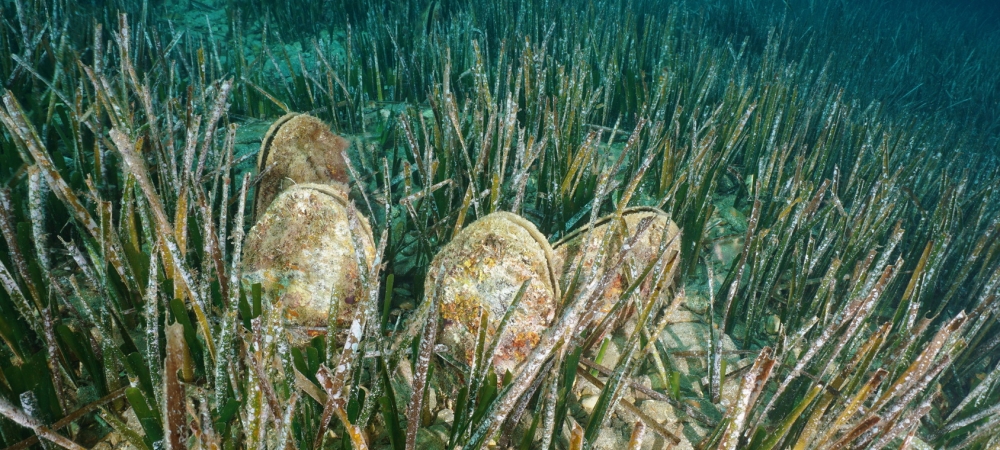
Monitoring of pen pen populations along the Occitan coast
Section
Coastal and marine environment
Date of completion
November 2018 to March 2019
Client(s)
Occitanie Region
In partnership with
USR 3278-CRIOBE-EPHE
To go further
Project description
Role of Marepolis
MarePolis carried out the preliminary surveys and sampling work along the Occitan coast. Thus, individual interviews and collective meetings were organized during the first phase of the study. In addition, diving and kitesurfing clubs in the region were interviewed via questionnaires. MarePolis then conducted exploratory dives to verify the veracity of the information obtained through the interviews. The company has also set up the sampling protocol in order to characterize the populations of Pinna nobilis (density, size distribution, habitat) and to produce an exhaustive map of the distribution of Pinna nobilis along the Occitan coast. Finally, following this mapping, 12 sites were selected to take tissue samples and carry out genetic analyses.